How a Rural Mail Carrier's Shift to Electric Vehicles is Transforming Delivery

Via iStock / Nickdelrosario
A rural mail carrier's switch to an electric vehicle cuts costs and emissions, setting a trend for the USPS’s future fleet of electric vans
Ortonville, MN — Henry Nelson is a mail carrier in rural Minnesota who has to travel long distances to make his rounds. He needs a vehicle that can handle gravel roads and a 124-mile route day-in and day-out, without breaking the bank on fuel and maintenance costs. Mail carriers where he’s from can choose the vehicle most suitable for their job. Henry prioritizes reliability since his community depends on him. Guess what car he bought for the job?
Via iStock / jetcityimage
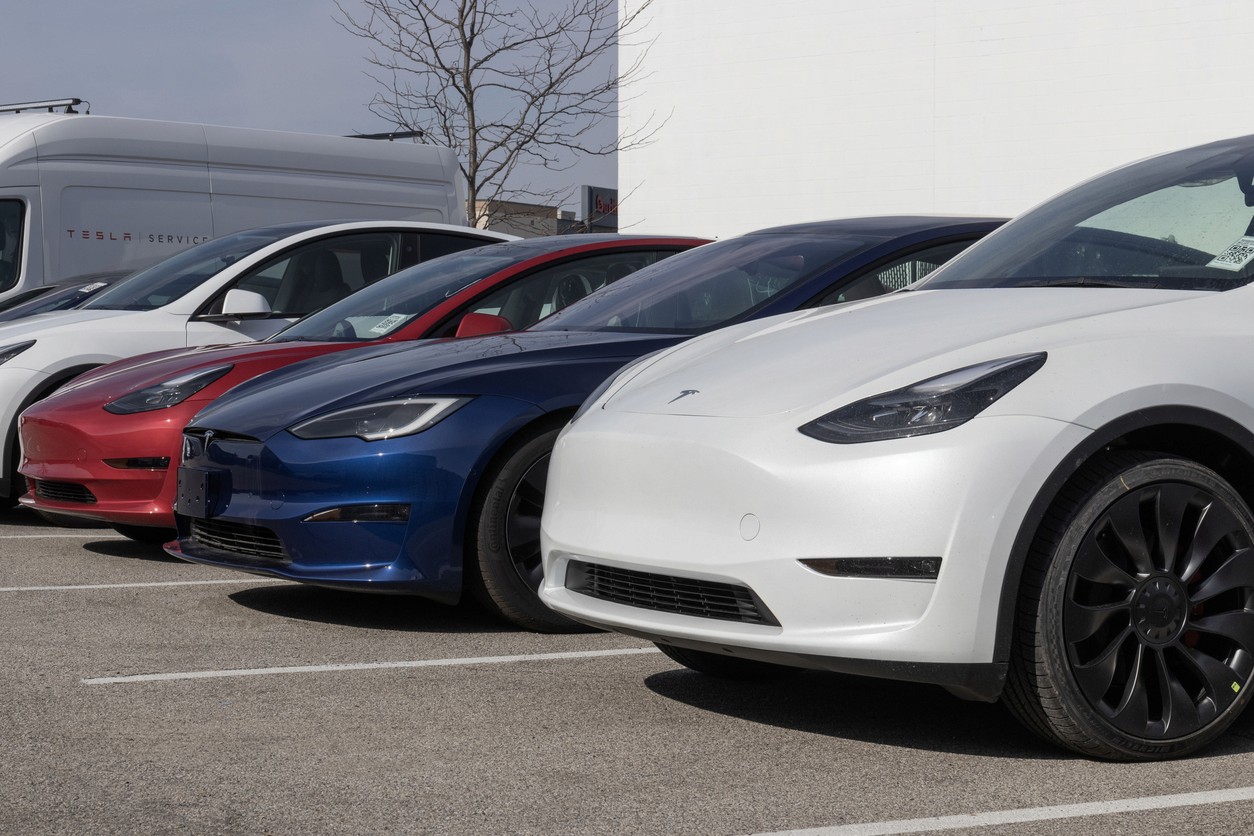
Henry chose the all-electric Tesla Model S to carry out his duties and it’s been a game changer for him and his community. Rain, snow, mud, or shine, residents receive their mail reliably.
With other cars, Henry says he’s racked up $20-30 a day on gas, but with his electric vehicle (EV), it only comes out to $3 a day. On top of that, it cuts down on air pollution too.
Now, the United States Postal Service is following Henry’s example.
Via iStock / MattGush
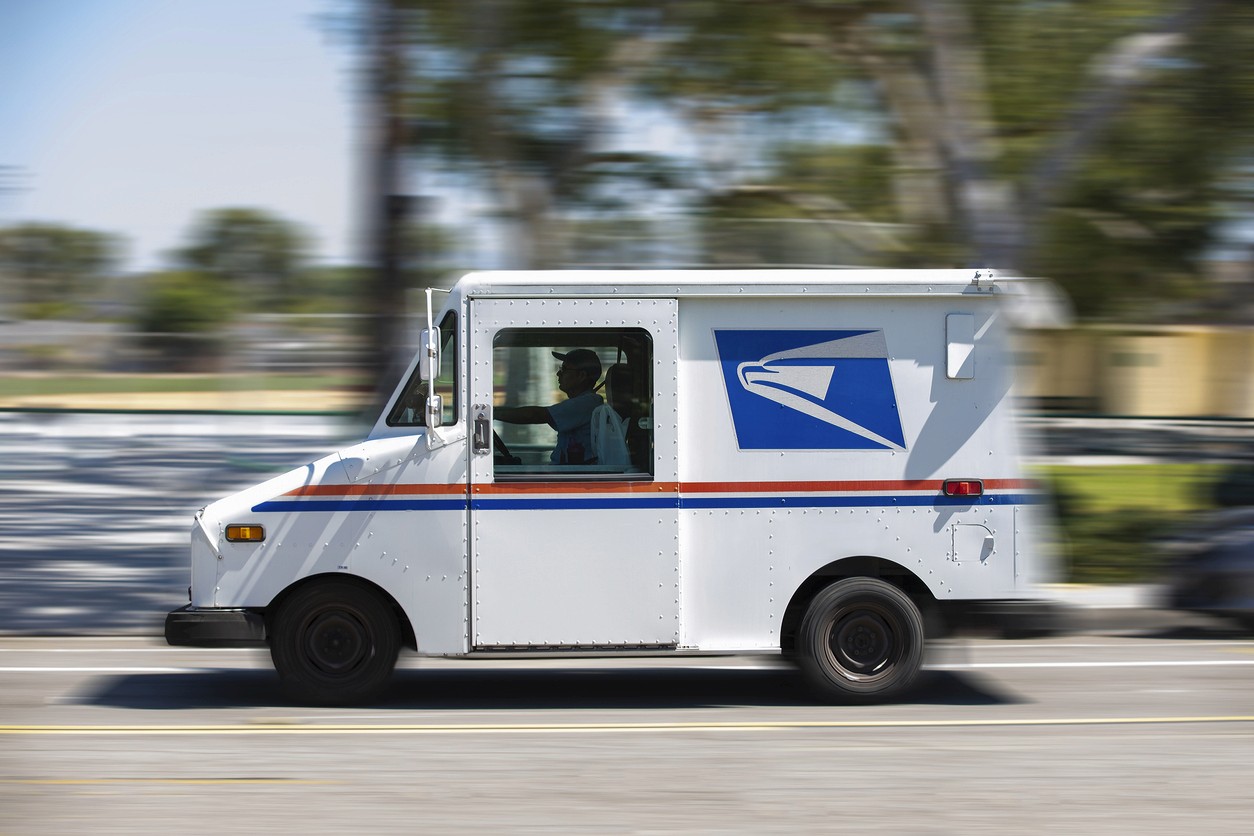
In Atlanta, the USPS is set to launch a fleet of electric vans to deliver mail this year. The postal agency plans to have 66,000 electric vans all over the country by 2028 to cut down on air pollution and health issues associated with gas-powered vehicles. Seeing electric vans zipping around towns and cities could make electric cars normal for everyone.
Not many people know Henry’s story— please share it with your friends and let them know what you think.
© 2024 Localyst