Solar Works When It’s Cloudy
Localyst staff
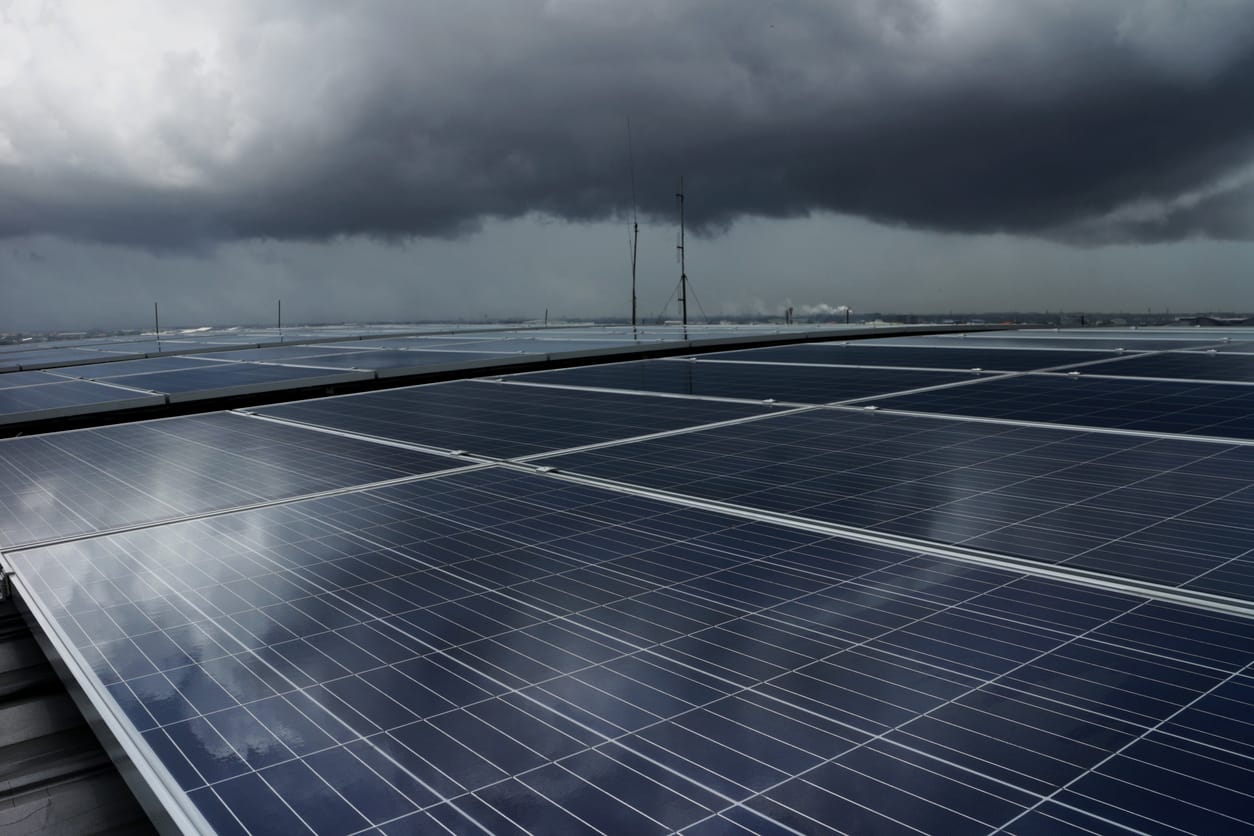
Daylight still delivers power—even when the sky is gray
“Inefficient. Last December there wasn’t a single sunny day.” — Localyst subscriber when asked about solar, Michigan
But here’s the deal. Clouds don’t shut solar off. Panels run on daylight, not sunbeams. Clouds scatter light, but that scattered light still hits your panels and turns into electricity. Even grid operators and engineers plan for this; standard tools account for cloudy-day light and temperature when estimating output. pvwatts.nrel.gov+1
Why overcast ≠ “off switch”
Daylight works. The UK’s National Grid puts it plainly: panels don’t need direct sunlight—any level of daylight can generate power (output just varies with brightness). The Energy Saving Trust echoes the same point. National Grid+1
Cooler can help. Solar electronics prefer cooler temperatures. As panels heat up, power typically falls by about 0.2% to 0.5% per °C; cooler, cloudy weather can claw back a few percent compared with hot, clear days. (This temperature effect is baked into mainstream models.) pv-tutorials.github.io+1
Proof from cloudy places
If solar needed endless blue skies, gray-climate countries would lag. Instead, Germany—not famous for year-round sunshine—set records in 2024: 72.2 terawatt-hours of solar, supplying about 14% of its electricity. That’s real, annual grid production across every season and sky condition. Fraunhofer ISE
“How much will panels make when it’s cloudy?”
It depends on cloud thickness, time of day, and your system. In practice, many systems still produce a meaningful share of their clear-sky output on partly cloudy days, and steady, usable power on overcast days. That’s exactly why utilities and planners use tools like NREL’s PVWatts—they roll cloudy-day light and temperature into the forecast for your location. pvwatts.nrel.gov
Kitchen-table takeaway: Solar doesn’t “turn off” when it’s cloudy—it just makes less than on a bright, clear day, and sometimes works a bit more efficiently per photon because it’s cooler. pv-tutorials.github.io
© 2024 Localyst