Sparking Bright Futures in Solar
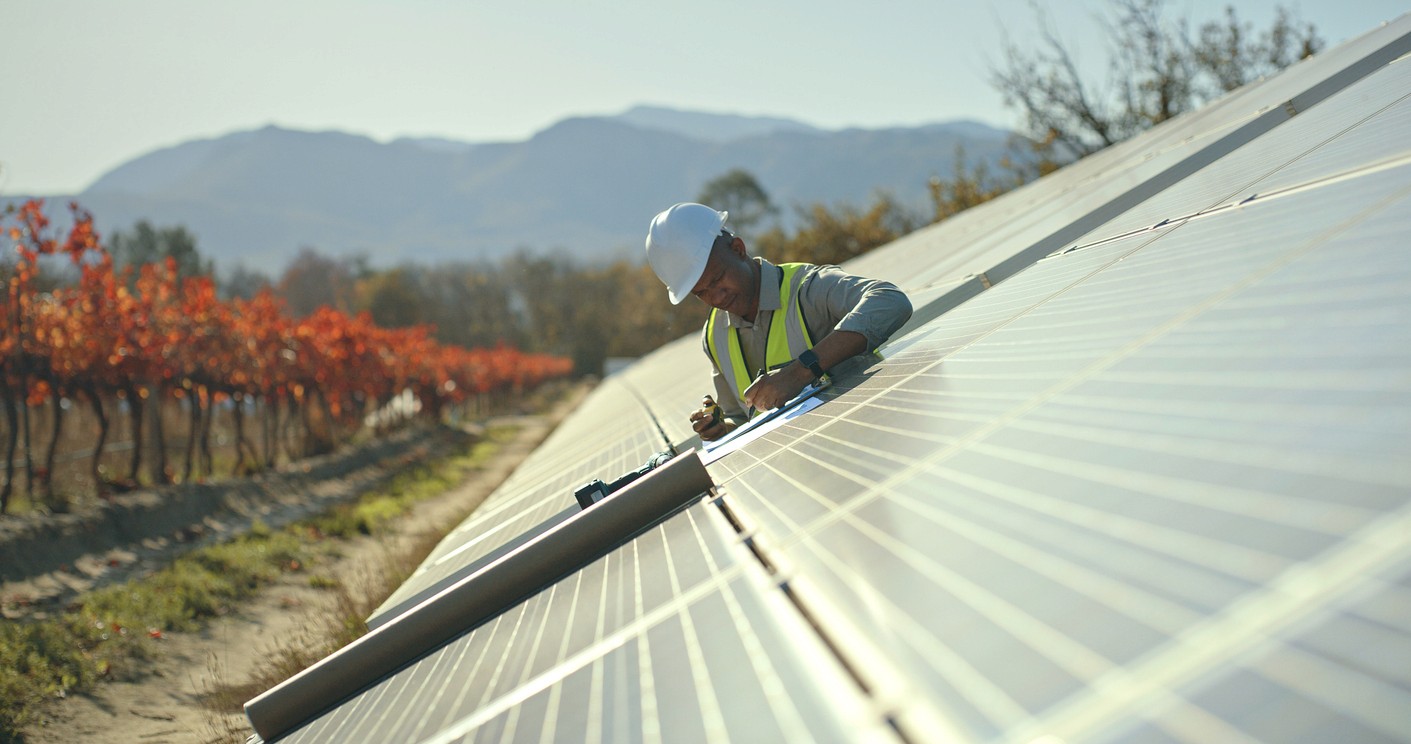
Photo by Marco VDM / iStock
Empowering Rural Youth Through Renewable Energy
Nashville native Jason Carney is on a mission to bring solar energy—and its benefits—to communities that have long been overlooked. His journey began with a startling statistic: a 2015 survey by the Solar Foundation reported that 0.0% of Tennessee’s solar workforce was Black. As one of the few African American solar installers in the state, Carney knew this was more than just a data oversight—it reflected a broader issue of underrepresentation and missed opportunities in clean energy.
“Going into boardrooms, I’d be the only person of color,” Carney told NPR. “We go to conferences, and out of 200 people, there might be me and one other person of color.” This reality pushed him to do more than just work in the industry. He wanted to change it.
Carney saw that minority communities, particularly in Nashville, weren’t being introduced to the benefits of solar energy. He says there would no conversation about solar, just about how high energy bills are.
Determined to shift that narrative, Carney launched a solar education project at Whites Creek High School, a majority-Black, low-income public school just minutes from his home. With funding from grants and donations totaling $40,000, Carney and his students designed and installed a 40-panel solar array. It was a hands-on lesson in renewable energy and a potential pathway out of poverty.
“We turned this field from nothing to something,” says Daniel Van Clief, a former student who worked alongside Carney on the project. Van Clief learned to calculate post depths, pour concrete, and install solar panels—skills that can lead to long-term, stable careers. “Jason made me want to do this,” Van Clief says, expressing his hopes to continue working in the solar industry.
A Model for Economic and Social Change
Carney’s work is about more than just installing solar panels. It’s about creating opportunities and changing lives. His students aren’t just learning technical skills—they’re gaining a sense of pride and purpose.
Not many people are familiar with the challenges and opportunities of bringing the benefits of clean energy into marginalized communities like Jason’s in Nashville, so we asked our readers what they thought about his story.
“Great that he noticed a deficiency and put a plan into action to educate people who didn’t know about solar energy,” Ohio reader Lynn commented.
“He showed low-income students that they too could learn a trade that could help raise them out of poverty,” Localyst reader Jean said.
Carney sees solar energy as a tool for empowerment. He frequently talks to his students about the job opportunities in the clean energy sector, which is growing rapidly as solar prices continue to drop. According to the Solar Energy Industries Association, solar installation costs have fallen by 70% over the past decade, making it more accessible than ever.
“No one controls the sun,” he says. “If someone could, they would, but they can’t. Right now, all you need is knowledge and the faith in yourself to go after it.”
His message resonates deeply with students and community members alike, many of whom face high energy burdens due to inefficient, aging housing.
Building Momentum, One Community at a Time
Carney’s work at Whites Creek High School is just one part of a broader effort to bring solar energy to communities of color. His students have not only gained technical skills but also become ambassadors for clean energy in their neighborhoods. The visibility of the solar array has sparked curiosity and conversations about renewable energy among residents who previously thought it was out of reach.
Reader comments reflect the importance of Carney’s mission. “I like the fact that he is introducing solar energy to lower-income communities. That is so important,” Lara from Florida said.
Localyst reader Wendy noted, “Jason is the type of person that has no color boundaries. His mind is free. I’m glad he is helping others do the right thing for themselves, their community, and the world.”
Carney knows that for renewable energy to thrive, communities must be involved and informed. “In red states like Tennessee, introducing photovoltaic energy can be an uphill battle,” reader Lawrence pointed out. “But sooner or later, the state will have to catch on, and when they do, they’ll go through people like Jason.”
Despite the challenges, Carney continues to push for progress. He sees the recent adoption of Nashville’s Green New Deal as a step in the right direction. The legislation sets ambitious renewable energy targets for the city and introduces green building standards for government facilities. “There are seeds of what can happen tomorrow,” Carney says. “But we’ve got to keep pressing.”
Solar as a Path to Prosperity
Carney’s work exemplifies how renewable energy can bring both environmental and economic benefits to rural and underserved communities. By teaching students the skills to build and maintain solar arrays, he’s opening doors to well-paying, stable careers.
“I liked that he is recruiting people his state would rather leave out,” reader Lawrence commented.
For Carney, the ultimate goal is to ensure that everyone can share in the benefits of clean energy. His students leave Whites Creek High School not only with practical skills but also with the confidence that they can shape the future of their communities.
As Localyst reader Wendy put it, “Jason is helping others do the right thing for themselves, their community, and the world. I wish him all the best in his life and future endeavors.”
© 2024 Localyst