Wind Turbines & Birds: Myths & Facts Uncovered

Via iStock / JohnnyGreig
How many birds do wind turbines kill? Do farmers near wind turbines experience lower crop yields? Do wind turbines harm the local ecosystem?
Here at Localyst, when a lot of people ask the same question, we love to research the issue and gain a full understanding that we can share back with the community. We look at articles, talk to experts, read the studies and also ask our subscribers for their experience.
When we learned the truth about how many birds are killed from wind turbines every year, we were surprised to find that among the things that take out birds, wind turbines aren’t even in the top five! But our closer look at the issue showed us that there’s a lot of misinformation out there when it comes to wind energy and birds. In fact, it turns out that even the American Bird Conservancy and Audubon Society support wind power.
Via Unsplash / Mitchell Orr
How many birds do wind turbines kill?
Do farmers near wind turbines experience lower crop yields?
How can we make wind and solar farms safer for birds?
Is it possible to build wildlife-friendly wind farms?
I've heard that wind turbines can harm the local ecosystem?
Do Wind Turbines Kill Birds? Here Are The Numbers
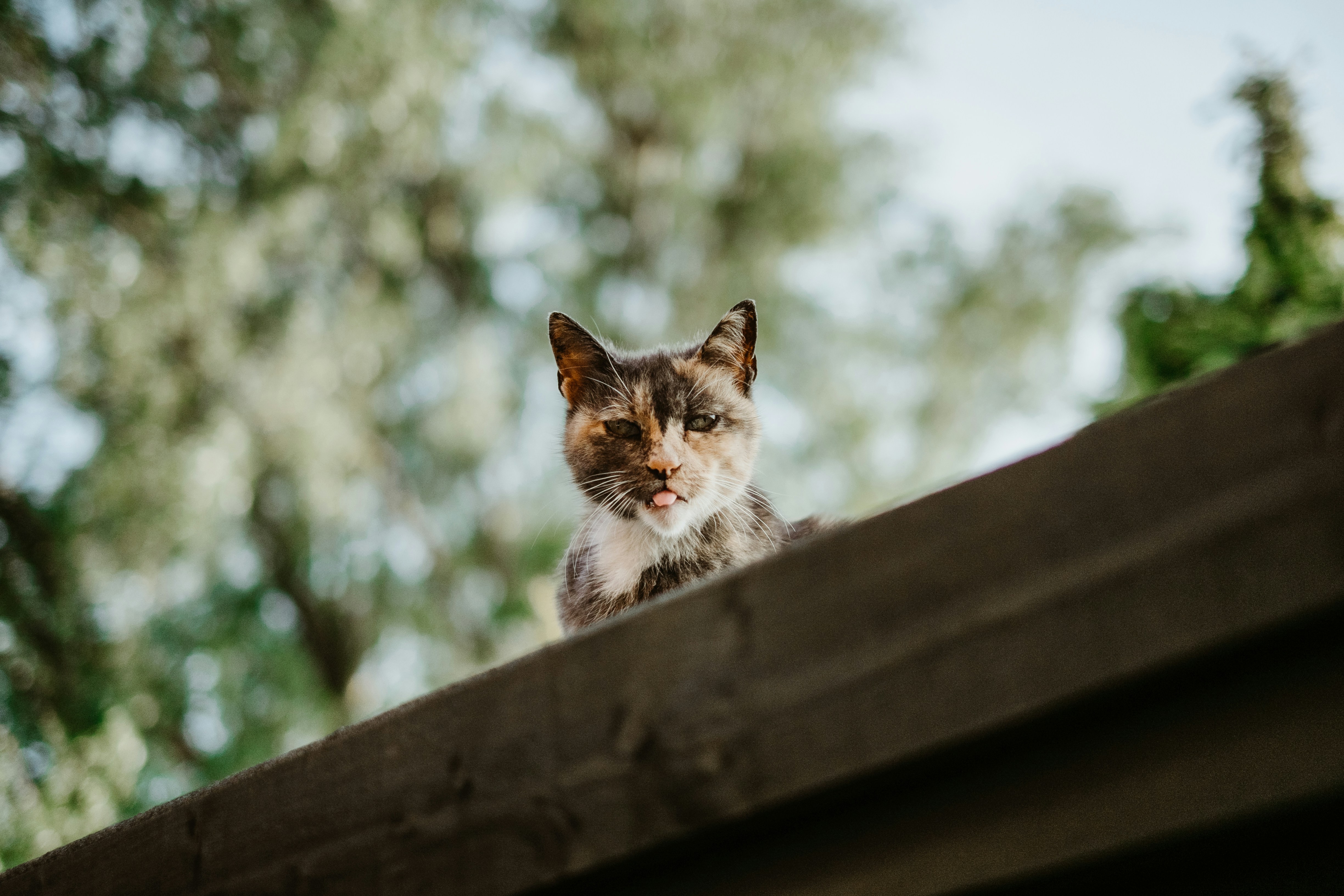
The biggest killer of birds in the U.S. by a long shot is domestic cats. On average, cats roaming outdoors kill about 2.4 billion — yes, billion — birds each year in our country, according to data published in 2017 by the U.S. Fish and Wildlife Service. So if you love birds, you might consider keeping your cats indoors!
After cats, building collisions due to glass (599 million bird deaths annually, on average) and vehicle collisions (214.5 million annually) pose the second and third biggest threats to birds. Poison kills an estimated 72 million birds each year, and collisions with electrical lines result in 25 million deaths annually. Then, way down at No. 9 on the list of threats to birds is wind turbines, which caused an average of 234,012 bird deaths annually, according to USFWS.
However, much of our information on birds and wind turbine collisions comes from data collected in 2012, and more and more wind turbines are being installed every year, so conservationists are seeing those numbers increase. After analyzing more recent data, the American Bird Conservancy is projecting that we’ll see around 538,000 bird deaths in 2024. This is still way more bird deaths than we want to see, so we were glad to hear that people who love wildlife are working with wind companies to solve this problem.

Via iStock / Yuri Sliusar
Efforts to Make Wind Turbines Safer for Birds
Audubon and other conservation groups have been working with wind energy companies to study bird deaths and other effects on wildlife, and through their bird-monitoring efforts, we’re learning more and more about how to keep birds safe around turbines. Sometimes, it’s as simple as changing the height of the wind turbine to avoid the altitudes birds migrate at and where they forage for food.
Where you site the turbines can make a big difference, too, which is why the American Bird Conservancy supports wind energy that’s been properly sited and opposes projects at high-risk sites. (ABC maintains a wind risk assessment map to help landowners and developers avoid high risk areas for birds — solar might be a better choice in these areas.) There are also easy steps wind companies can take when deciding where to place the turbines, like keeping them off of ridges where birds of prey like to soar while hunting. That sounds like a common sense solution to us.
We found people coming up with other smart ideas, too. Researchers in Norway discovered that simply painting one blade of a wind turbine black, which makes it more visible to birds, reduced bird collisions by 70 percent. And we liked this idea: Because scientists can now predict the peak days of the migration season, we might be able to save a lot of birds by simply turning off turbines for a few days each year.
Fracking Is Worse for Birds Than Wind Turbines
What about the effect of other energy resources on birds? Erik Katovich, a researcher at University of Geneva, used data from the annual Audubon Christmas Bird Count to compare the effects of new wind turbine installations to oil and gas extraction sites. Bird enthusiasts have been contributing to the Christmas bird counts for more than 100 years, but Katovich decided to look at the data from 2000 to 2020, a time when a lot of new wind farms and new fracking sites were popping up across the landscape. When he analyzed the data within 5 kilometers of both, he found that wind turbines didn’t have a statistically significant effect on bird counts — but fracking did.
“Results show that the onset of shale oil and gas production reduces subsequent bird population counts by 15%, even after adjusting for location and year fixed effects, weather, counting effort, and anthropic land-use changes,” Katovich says in his study. “Wind turbines do not have any measurable impact on bird counts. Negative effects of shale are larger when wells are drilled within important bird habitats.”
What People Who Live Near Wind Turbines Say
So, in a nutshell, cats, cars, buildings and vehicles kill about 6,000 times more birds than wind turbines. Nothing against cats, but we gotta call it like we see it!
When we shared the truth about wind turbines and birds with our readers, quite a few chimed in with their own experiences from their land.
One of our readers, Pat A. from Indiana, had this to say:
“We already have a wind turbine on our small farm... Research was done here and it turned out pretty well for the birds! I have just been thinking about it lately since a former friend was giving us a hard time about how many birds we were killing...thank you!”
Another reader, Bob, who lives close to wind farms in Indiana said:
“Crops can be planted under windmills & I've never seen any dead birds under them.”
Our biggest takeaway from the research is that simple facts, like how many birds die from wind turbines, is easily distorted and misrepresented when taken out of context.
The economic and environmental benefits of wind farms are significant for all of us. However, those turbines also do impact wildlife, local ecosystems and habitat. We agree with the American Bird Conservancy’s approach: If we develop our wind and solar farms correctly, “We can realize the benefits of renewable energy while protecting our vulnerable bird populations.”
© 2024 Localyst